
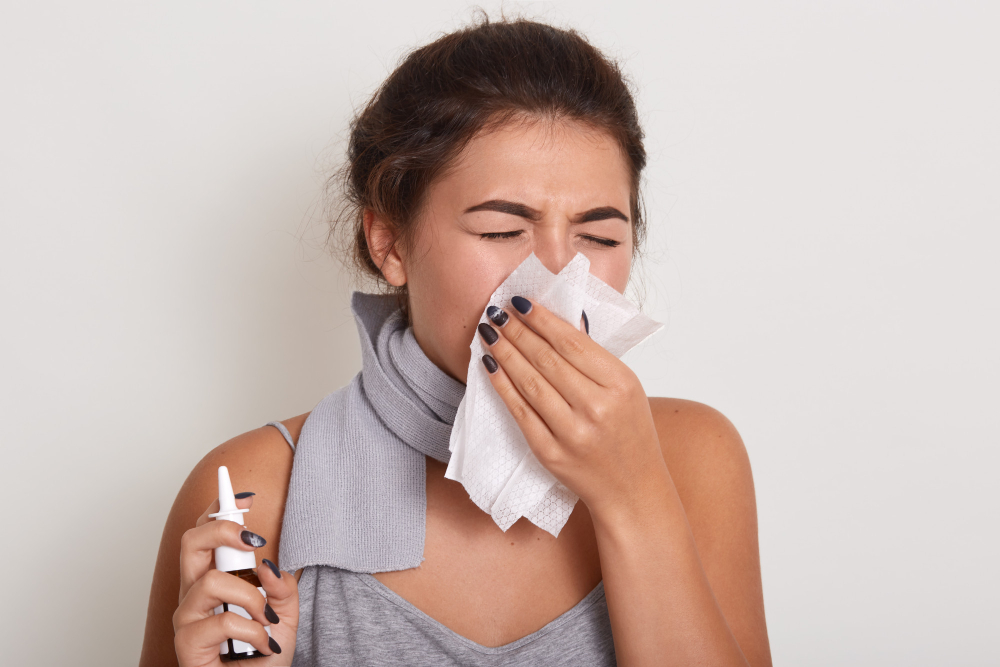
What is Sinusitis?
Sinusitis is a common condition where the spaces inside your nose and head, called sinuses, become swollen or inflamed. Often, this happens after a cold or allergy. Sinusitis can be short-term (acute) or last a long time (chronic). Acute sinusitis usually lasts less than four weeks. In contrast, chronic sinusitis can last for 12 weeks or more. Because sinusitis can affect your daily life, understanding its types and treatments is important.
Acute vs Chronic Sinusitis: Key Differences
Although both types cause similar symptoms, there are key differences. Acute sinusitis comes on quickly and often follows a cold. It usually gets better with simple care. On the other hand, chronic sinusitis lasts much longer and may need more treatment. Knowing which type you have helps guide the best care.
Common Symptoms and Causes
Sinusitis symptoms can make you feel tired and uncomfortable. However, knowing the signs helps you seek help early. Common symptoms include:
Sinusitis can be caused by:
Diagnosis: How Sinusitis is Identified
Doctors use several steps to diagnose sinusitis. First, they ask about your symptoms and medical history. Next, they may look inside your nose. Sometimes, they gently press on your face to check for pain. In some cases, your doctor may order tests, such as:
Usually, most cases are diagnosed based on symptoms alone. However, extra tests help when symptoms last a long time or do not improve.
Home Remedies for Sinusitis Relief
Many people find relief from sinusitis symptoms at home. While these remedies do not cure the infection, they can help you feel better. For example, you can try:
However, if symptoms last more than 10 days or get worse, see a doctor. Home remedies for sinus infection work best for mild cases.
Medical Treatments for Sinusitis
Sometimes, home care is not enough. In these cases, medical treatment for sinusitis may be needed. Your doctor may suggest:
According to the CDC, antibiotics are only needed if your doctor thinks bacteria are causing the infection. Overuse of antibiotics can lead to resistance, so always follow your doctor’s advice.
Prevention Tips and Lifestyle Guidance
Preventing sinusitis is possible with a few simple steps. For example, you can:
In some areas, air pollution or pollen levels may be high. Therefore, check local air quality reports and stay indoors when needed.
Conclusion
Sinusitis can be uncomfortable, but most cases improve with care. Knowing the difference between acute and chronic sinusitis helps you choose the right treatment. Try home remedies for mild symptoms, but seek medical help if symptoms last or worsen. Consult an ENT specialist for personalized sinusitis management and treatment advice.